Burst pipes, clogged sewer cleanouts, and failing water heaters demand rapid troubleshooting before structural water damage worsens across Rhode Island. Experienced plumbers provide comprehensive leak isolation, hydro jetting, and mechanical repairs statewide.
Corrosion attacking aged galvanized steel pipes or failing polybutylene plastic lines creates persistent water pressure drops and discoloration in Rhode Island. Decades of mineral exposure cause galvanized pipes to rust internally, building dense iron oxide scale that chokes water flow to a sluggish trickle. Meanwhile, early plastic systems like polybutylene react poorly to municipal chlorine disinfectants, developing micro-fractures that burst unexpectedly inside ceilings and crawlspaces.
Homeowners frequently attempt temporary spot fixes on leaking pipe joints, only to face another pinhole breach a few feet down the same supply line weeks later. Patching brittle piping is an expensive short-term gamble that leaves homes vulnerable to midnight flooding catastrophes, warped subfloors, ruined drywall, and destroyed personal property in finished living spaces throughout the property.
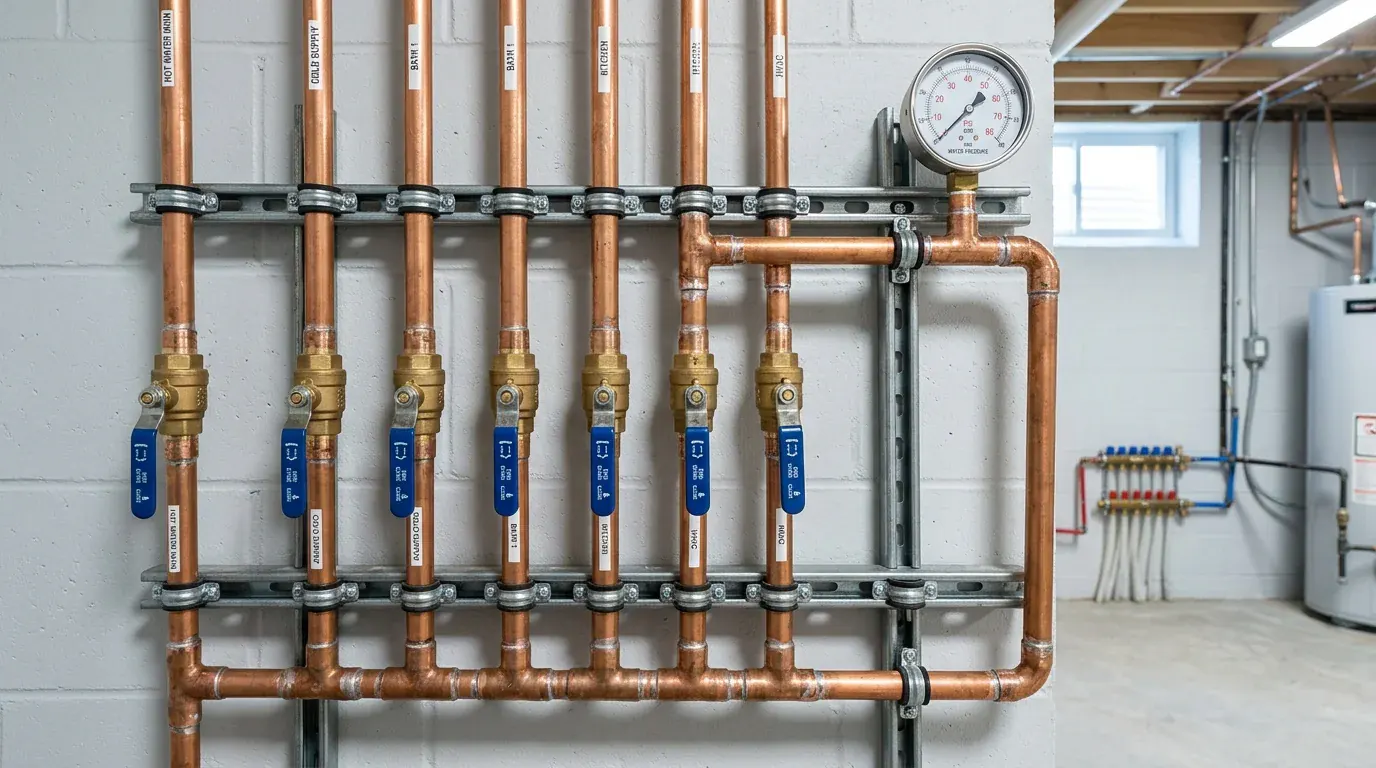
Comprehensive repiping assessments across Rhode Island map out complete domestic water distribution routes through attic spaces and crawlspace floor joists. Upgrading outdated infrastructure with commercial-grade PEX-A expansion tubing guarantees clean drinking water delivery, robust multi-fixture pressure, code-compliant shutoff valves, and long-term protection against hidden pipe leaks for decades ahead.
Comprehensive Plumbing Services in Rhode Island
Emergency Plumbing Services: Rapid diagnostic troubleshooting, active flood containment, sewer backup clearance, burst pipe repair, and main shutoff valve replacement for urgent residential plumbing emergencies.
Drain Cleaning & Hydro Jetting: High-pressure water jetting, electronic motorized drain snaking, video camera pipe inspections, and commercial grease removal for stubborn residential and commercial drain clogs.
Water Heater Repair & Installation: Diagnostic testing of heating elements, gas control valves, thermal expansion tanks, leaking pressure valves, and complete installation of storage and tankless water heaters.
Unexplained water bill surges typically point to a continuous silent toilet flapper leak or an underground service line crack between the water meter and the foundation. To verify an active leak, check your municipal water meter when all household fixtures are off; if the low-flow indicator triangle spins, water is escaping constantly. Plumbers use acoustic line listening equipment, ground microphones, and line isolation valves to locate subterranean leaks beneath front lawns, repairing punctured polyethylene service lines before sinkholes or foundation damage occurs.
Standing water inside a dishwasher tub typically stems from a kinked drain hose, a clogged garbage disposal knockout plug, or a missing drain hose high loop. Building plumbing codes mandate that dishwasher drain hoses loop up to the underside of the kitchen countertop before connecting to the disposal inlet. Without this high loop, dirty sink water siphons backwards down the hose into the dishwasher basin. Plumbers clear disposal inlet ports, inspect drain check valves, and secure hoses at code-compliant elevations.
Tightening closet bolts rarely cures base leaks and overtightening risks cracking the porcelain base, requiring a full toilet replacement. The true culprit is almost always a deteriorated wax ring seal between the toilet horn and the closet flange. Rocking toilets, uneven floor tile, or repeated plunging can blow out the airtight wax barrier, allowing foul blackwater to rot subflooring with every flush. A plumber unbolts the fixture, scrapes away old wax, inspects the flange ring for fractures, and seats a reinforced wax ring with an integrated rubber horn.
Pushing a high-resolution color camera equipped with a 512 Hz locating sonde through your cleanout allows plumbers to visually inspect the interior condition of underground sewer laterals. The live monitor reveals root intrusion, cracked clay hubs, pipe bellies holding stagnant water, misaligned joints, and cast iron scale build-up in real time. The built-in radio sonde pinpoints the exact physical depth and yard location of defects, enabling targeted spot repairs rather than disruptive, expensive trenching across entire lawns.
Water stains on first-floor ceilings usually originate from failing shower pan liners, deteriorated tub overflow gaskets, or leaking drain slip-joint connections rather than pressurized water supply lines. Because drainage leaks only occur when fixtures are actively in use, water pools intermittently along subfloor joists before soaking through ceiling drywall. Plumbers plug the shower drain and fill the pan with two inches of water to test liner integrity, inspect tub overflow seals, and replace corroded tubular drain assemblies without tearing down undamaged ceiling plaster.
Request a Plumber in RI
Contact our plumbing dispatch center to speak with an experienced plumber or request upfront project pricing.
Connect With an Experienced Plumber in Rhode Island
Unresolved water leaks and sewer line backups compromise drywall, flooring, and household health. Contact our direct dispatch team for methodical plumbing inspections and prompt repairs.